
The Trial of the Grand Crusader in World of Warcraft: Wrath of the Lich King presents a unique challenge, particularly in the encounter with Anub’arak. In Phase Three, the Leeching Swarm mechanic poses significant difficulties for healers, testing their coordination, awareness, and adaptability. This guide delves into the mechanics of this encounter, the specific challenges presented by Leeching Swarm, and strategies to overcome them, ensuring your raid can successfully conquer this formidable foe.
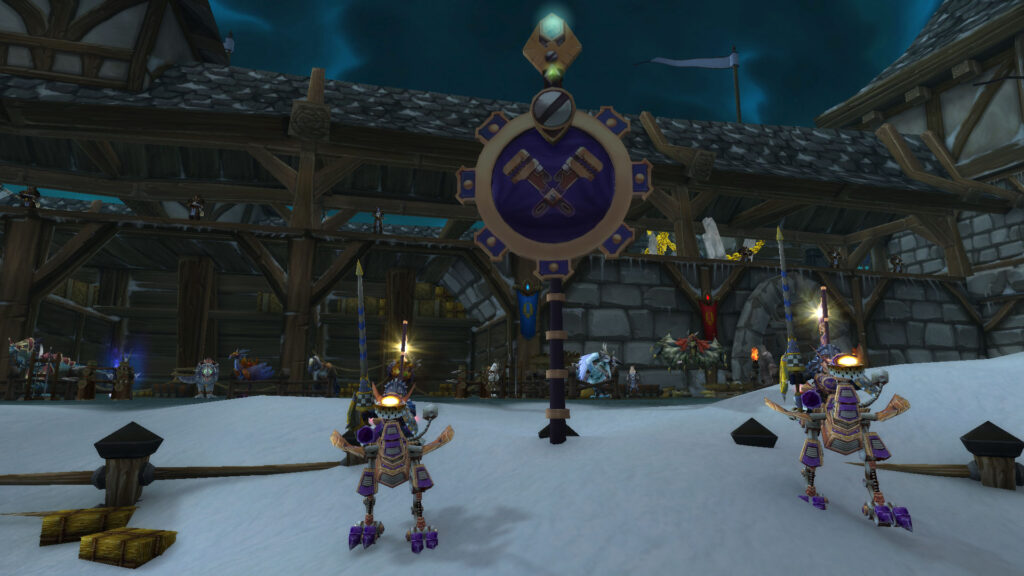
What are the key mechanics of Anub’arak’s encounter in Trial of the Grand Crusader?
Anub’arak’s encounter features multiple phases, with Phase Three introducing the Leeching Swarm mechanic that significantly impacts healers.
During the Anub’arak fight, players face a series of mechanics that require precise execution and awareness. The encounter is divided into three phases, with each phase introducing unique mechanics that challenge both DPS and healers. In Phase Three, Anub’arak becomes more aggressive and begins to cast Leeching Swarm, a spell that drains health from players and heals him for a percentage of the damage dealt. This mechanic forces healers to constantly monitor their raid’s health while managing their own resources, as they must react quickly to mitigate the damage caused by this swarm.

Understanding the exact mechanics of Leeching Swarm is crucial for healers. The spell targets players within a certain radius, dealing damage over time and healing Anub’arak for a percentage of the total damage inflicted. This creates a dual challenge: healers must keep their team alive while also preventing Anub’arak from regaining health. Effective communication and positioning are essential, as players need to spread out to minimize the impact of the swarm while ensuring that healers can reach them quickly. Additionally, understanding the timing of Anub’arak’s abilities allows healers to preemptively use cooldowns and healing spells to counteract the damage.
How can healers effectively manage Leeching Swarm during Phase Three?
Healers can manage Leeching Swarm by utilizing specific strategies and cooldowns to mitigate damage and maintain raid health.
To effectively manage Leeching Swarm, healers must adopt a proactive approach that includes positioning, cooldown management, and communication. First, players should spread out to reduce the number of targets affected by the swarm, minimizing the overall damage taken. Healers should position themselves strategically to ensure they can reach all raid members quickly, especially those who are taking damage from the swarm. This positioning is critical, as it allows healers to react swiftly and apply healing spells where they are most needed.
- Utilize movement speed boosts or abilities to quickly reach players affected by Leeching Swarm.
- Coordinate with your team to use damage reduction cooldowns before the swarm hits.
- Employ healing-over-time spells to provide sustained healing as players take damage.
- Communicate with the raid to ensure everyone understands the positioning strategy and timing of cooldowns.
Additionally, healers should utilize their healing cooldowns effectively. Spells like Divine Hymn or Tranquility can provide substantial healing during critical moments when multiple players are affected by the swarm. Timing these cooldowns just before a swarm hits can significantly reduce the pressure on healers. Furthermore, using healing-over-time spells can help maintain health levels over time, allowing for more efficient healing during the encounter.
What are the best healing classes for managing Anub’arak’s Leeching Swarm?
Classes such as Restoration Druids and Holy Paladins excel in managing Anub’arak’s Leeching Swarm due to their unique healing abilities.
When considering the best healing classes for the Anub’arak encounter, Restoration Druids and Holy Paladins stand out due to their toolkit and ability to handle burst damage. Restoration Druids can utilize their healing-over-time spells effectively, allowing them to maintain a steady flow of healing while managing the damage from Leeching Swarm. Their ability to quickly reposition and use spells like Wild Growth can help keep the raid alive during critical moments.
| Healing Class | Strengths | Weaknesses | Recommended Spells |
|---|---|---|---|
| Restoration Druid | Strong healing-over-time, mobility | Limited burst healing | Wild Growth, Rejuvenation |
| Holy Paladin | Strong single-target healing, cooldowns | Less effective AoE healing | Holy Light, Divine Favor |
| Discipline Priest | Damage mitigation, shields | Requires proactive playstyle | Penance, Power Word: Shield |
Holy Paladins also shine in this encounter due to their strong single-target healing and powerful cooldowns. Their ability to use spells like Divine Favor can provide critical healing when players are low on health. However, they may struggle with AoE healing compared to other classes. Discipline Priests can also be effective due to their damage mitigation abilities, but they require a proactive playstyle to maximize their effectiveness during the encounter.
What advanced strategies can healers employ during Anub’arak’s encounter?
Advanced strategies for healers include utilizing cooldowns effectively and coordinating with DPS to minimize Anub’arak’s healing.
Advanced strategies for managing Anub’arak’s encounter revolve around maximizing healing output while minimizing the damage dealt to the boss. Healers should coordinate with DPS players to ensure they are aware of the timing of Leeching Swarm and can adjust their damage output accordingly. For instance, DPS should focus on burst damage during the downtime between swarms to prevent Anub’arak from healing excessively. This requires clear communication and a solid understanding of the encounter mechanics.
Additionally, healers can employ specific cooldowns strategically to counteract the damage from Leeching Swarm. Utilizing raid-wide cooldowns just before the swarm hits can significantly reduce the overall damage taken by the raid. Furthermore, healers should prioritize players who are taking the most damage, ensuring that they receive immediate healing to prevent deaths. This requires a keen awareness of the raid’s health and the ability to react quickly to changing circumstances.
What are the best practices for healers in the Trial of the Grand Crusader?
Best practices for healers include effective communication, cooldown management, and understanding encounter mechanics.
To excel as a healer in the Trial of the Grand Crusader, players should focus on effective communication with their team. This includes discussing strategies before the encounter and ensuring that everyone understands their roles. Healers should also coordinate their cooldowns to maximize their effectiveness, using them at critical moments to mitigate damage. Understanding the mechanics of each phase is essential, as it allows healers to anticipate damage and react accordingly.
Moreover, maintaining situational awareness is crucial. Healers should constantly monitor the health of their teammates and be prepared to react to sudden spikes in damage. Utilizing healing addons can help track health levels and cooldowns, allowing for more efficient healing. Finally, practicing the encounter multiple times can help healers become more familiar with the mechanics and improve their overall performance.
Frequently Asked Questions
What is Leeching Swarm in Anub’arak’s encounter?
Leeching Swarm is a mechanic used by Anub’arak in Phase Three of the encounter, where he drains health from players and heals himself for a percentage of the damage dealt. This mechanic requires healers to manage their resources effectively while ensuring the raid remains alive.
How can healers prepare for the Anub’arak encounter?
Healers can prepare by understanding the mechanics of the encounter, practicing their healing rotations, and coordinating with their team. Familiarizing themselves with the timing of Leeching Swarm and other abilities will enhance their effectiveness during the fight.
What healing classes are most effective against Anub’arak?
Restoration Druids and Holy Paladins are particularly effective due to their unique healing abilities that can manage the damage from Leeching Swarm. Discipline Priests can also be viable, offering damage mitigation through shields.