
Travel has always shaped the rhythm of the game’s world. From the earliest days of long walks between distant outposts to the instant clarity of modern waygates, the evolution of travel systems reflects changing player expectations and the expanding scale of the world. Movement is more than a utility — it is an experience that defines how players connect with zones, cultures, and stories.
This article explores how travel systems grew across expansions, how they shaped exploration, and why they continue to evolve alongside player needs.
The Early Era: Distance as a Teacher
In the earliest days, travel was slow and deliberate. Players formed emotional bonds with regions because they spent time walking through them, learning every path and landmark by heart. Long travel times taught patience and rewarded preparation. The hearthstone itself became a symbol of security — a reminder that home was always a cast away, even in a dangerous world. This era emphasized the world’s size and mystery, grounding players in a vast, living landscape.
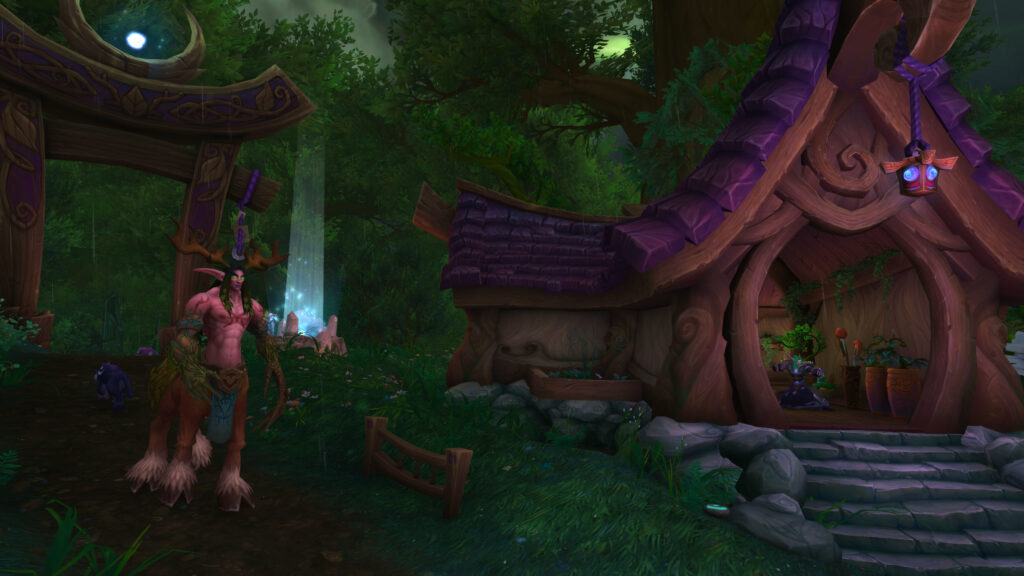
Distance taught players to value every journey.
The Rise of Accessibility and Player Freedom
As expansions added continents and new playstyles emerged, travel systems adapted to the world’s growing complexity. Flight paths expanded, boats and zeppelins multiplied, portals became key navigation tools, and flying mounts redefined vertical exploration. These additions responded to player expectations for efficiency without eliminating the emotional connection to places. Travel remained meaningful — just faster, more flexible, and more aligned with evolving gameplay.
To illustrate the milestones in travel evolution, here is a simplified breakdown:
| Era | Travel Innovation | Player Impact |
|---|---|---|
| Classic | Hearthstones, basic flight paths | World felt vast and mysterious |
| Burning Crusade | Portals, intercontinental routes | Greater accessibility and speed |
| Wrath | Advanced flight, streamlined hubs | More freedom and open exploration |
| Dragonflight | Waygates and high-speed skyriding | Instant convenience and fluid movement |
Waygates and the Era of Instant Connectivity
Modern waygates represent the culmination of years of travel innovation. They offer instant access to key regions without sacrificing the emotional tone of exploration. Unlike portals tied to specific cities, waygates create a layered network that encourages players to move between zones naturally. The system respects time while still supporting the desire for efficiency.
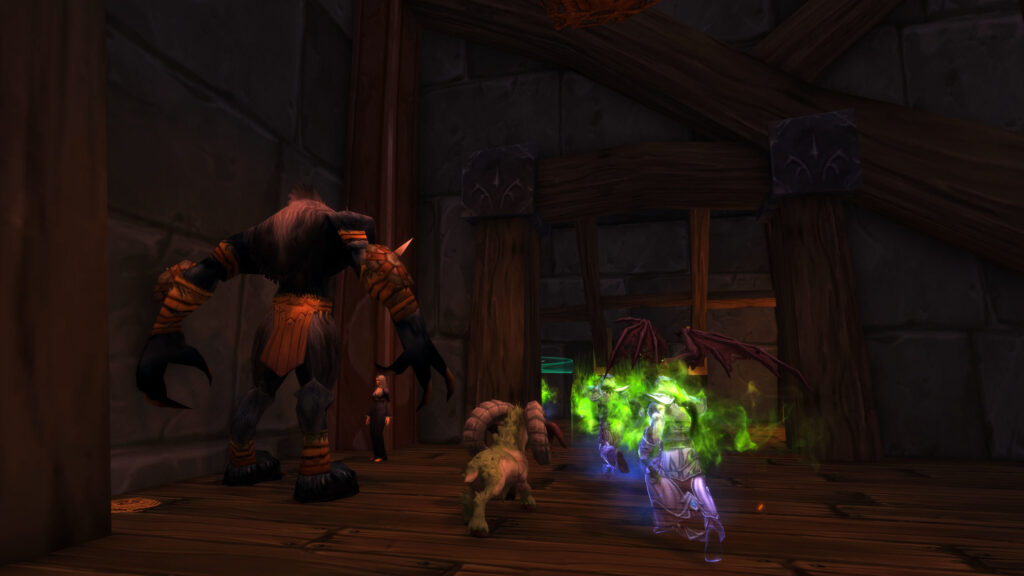
Travel becomes seamless, yet still rooted in world identity.
How Travel Reflects Player Expectations
Every evolution in travel technology emerged from a shift in player expectations. As content became more diverse and time became more valuable, players wanted movement that balanced speed with immersion. Travel systems now support exploration without creating barriers — offering choice instead of limitations. Modern design gives players the freedom to decide how they want to move through the world.
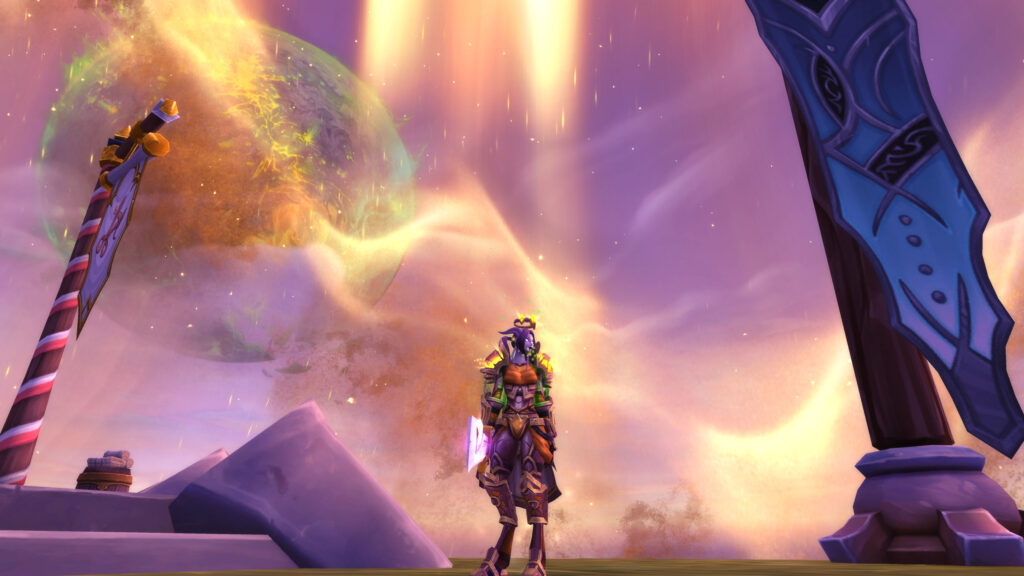
Travel now adapts to the player, not the other way around.
Conclusion
From simple hearthstones to an intricate network of waygates, travel systems reflect the changing needs of players and the expanding horizons of the world.
Each innovation honors the past while embracing the future, ensuring that movement remains meaningful even in an age of instant access. The journey continues to evolve — shaped by the expectations of the players who walk, fly, and glide across the world.
