
Every player who has mastered a class in World of Warcraft knows the moment: the rotation clicks. Buttons flow seamlessly. Procs trigger at just the right time. Cooldowns align in satisfying bursts. And suddenly, the entire rotation feels less like a sequence of inputs and more like a rhythm—almost musical. This sensation isn’t imagined. Blizzard’s class design intentionally embraces cadence, harmony, and pacing to give each spec a unique “musical identity.”
Some specs feel like fast electronic beats, others like heavy percussion, and others like smooth orchestral crescendos. These patterns create emotional resonance and make gameplay deeply satisfying. This article explores why certain spell rotations feel musical, how Blizzard uses timing and feedback loops to create this sensation, and why it’s one of the most powerful hooks keeping players loyal to their favorite classes for years.
The Concept of Rotational Rhythm
Every rotation has tempo—its pace of actions per minute. Faster specs like Fury Warrior or Windwalker Monk evoke rapid-fire beats. Slower, heavier specs like Unholy Death Knight or Destruction Warlock feel like deep, thunderous drums. This pacing defines how a rotation “sounds” and “feels” emotionally, even without actual music. Players often describe their favorite specs in musical terms: flowing, punchy, smooth, chaotic.
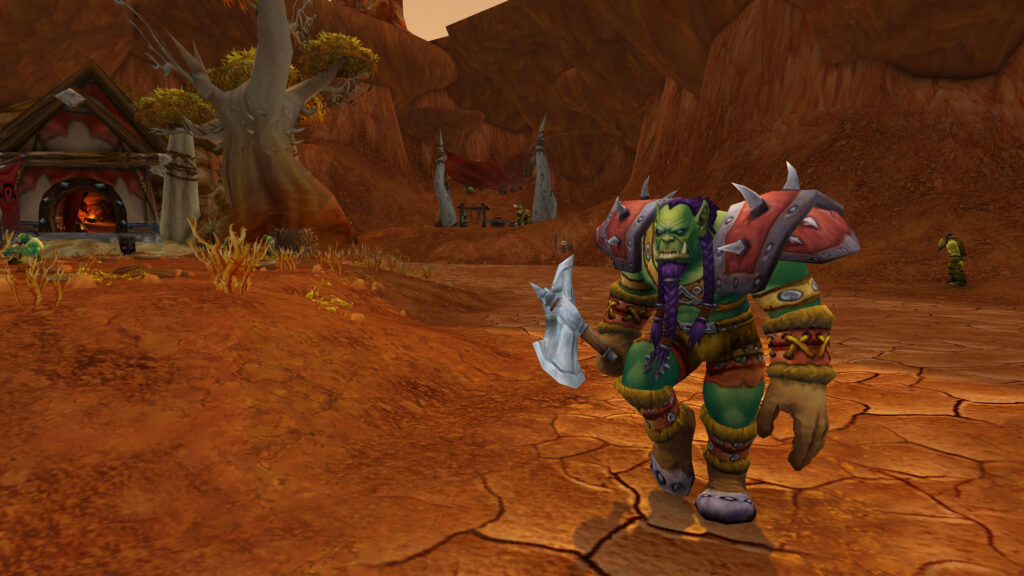
This rhythm isn’t accidental—it’s crafted through resource systems, cooldown lengths, proc frequency, and spell animations.
Feedback Loops That Create Cadence
The core of musical sensation in rotations lies in feedback loops. A rotation feels good when one action leads logically and satisfyingly into the next. A proc triggers a powerful ability. A cooldown resets at just the right moment. Resource generation peaks at key points. These transitions create a sense of flow, similar to phrasing in music where notes connect naturally into melodies.
Bad rotations feel disjointed; good ones feel like improvised performances.
Table: How Different Specs Create Musical Identity
Each spec’s rotation draws from different rhythmic patterns, shaped by pacing, resource flow, and visual effects.
| Spec Type | Musical Equivalent | Why It Feels That Way |
|---|---|---|
| Fury Warrior | Fast-paced drumline | High APM and constant motion create rapid beats |
| Shadow Priest | Building crescendos | Insanity ramps toward explosive peaks |
| Restoration Druid | Flowing ambient music | HoTs weave together like sustained notes |
| Fire Mage | Jazz improvisation | Procs create spontaneous, reactive bursts |
| Balance Druid | Oscillating melodies | Eclipse cycles rise and fall like musical waves |
| Rogue (Any Spec) | Precision percussion | Builders and finishers hit like timed strikes |
These patterns anchor each spec in a sensory experience that players intuitively understand.
Visual Effects Strengthen the Illusion of Musical Timing
Animations and spell effects contribute heavily to rotational musicality. When a spell lands with a bright flash, a sharp impact, or a glowing trail, it creates visual markers that feel like notes or beats. The timing of these visuals—fast streaks, slow pulses, rapid bursts—reinforces each spec’s rhythm.
Players feel this even if they can’t articulate it, making rotations feel natural and satisfying.
Sound Design Is the Hidden Orchestra
Every ability in WoW has sound cues that function almost like instruments. The crackle of lightning from a Shaman, the growl of a Demon Hunter’s Fury, the whispering void energy of a Priest—these cues guide timing and add emotional color. Strong audio feedback gives a sense of progression and momentum, much like music gaining intensity during a chorus.
When players mute sound effects, rotations often feel less impactful because the “music” disappears.
Procs Act as Improvised Solos
Random procs introduce improvisation—flare-ups of energy that break the steady rhythm. A Heating Up proc becomes a “note” that leads to a Hot Streak. A Clearcasting proc for a Druid adds fluidity. A Killing Machine proc for Frost DK drops a heavy beat unexpectedly. These moments disrupt monotony and add emotional spikes, just like improvisation in live music.
Procs turn rotations into dynamic performances rather than rigid scripts.
The Feel of Perfect Execution
A rotation feels musical when executed perfectly because everything aligns: cooldowns finish exactly when needed, procs weave smoothly into the flow, and resource windows hit at the ideal moment. This harmony creates a feeling of mastery and satisfaction that players describe as “being in the zone.” The rotation stops feeling mechanical and instead becomes instinctive, like playing an instrument without conscious thought.
Players chase this feeling because it’s deeply rewarding and emotionally resonant.
Why Some Specs Don’t Feel Musical—Yet
Not all rotations hit this musical harmony naturally. Some feel too slow, too clunky, or too dependent on cooldown waiting. When pacing is irregular or feedback is weak, the “melody” breaks. Blizzard continuously refines these specs to restore rhythm, improving button timing, animation speeds, and proc clarity to create more satisfying flow.
Rotational music is a design target—and one Blizzard actively iterates toward.
The Future of Musical Combat in WoW
With Hero Talents and evolving class design, specs gain new pathways to strengthen their rhythmic identity. Faster builds, slower heavy-hitting builds, proc-heavy builds, or steady-flow builds all shape musical feel differently. Blizzard has embraced these sensations, building classes that sound, look, and feel distinct beyond raw numbers.
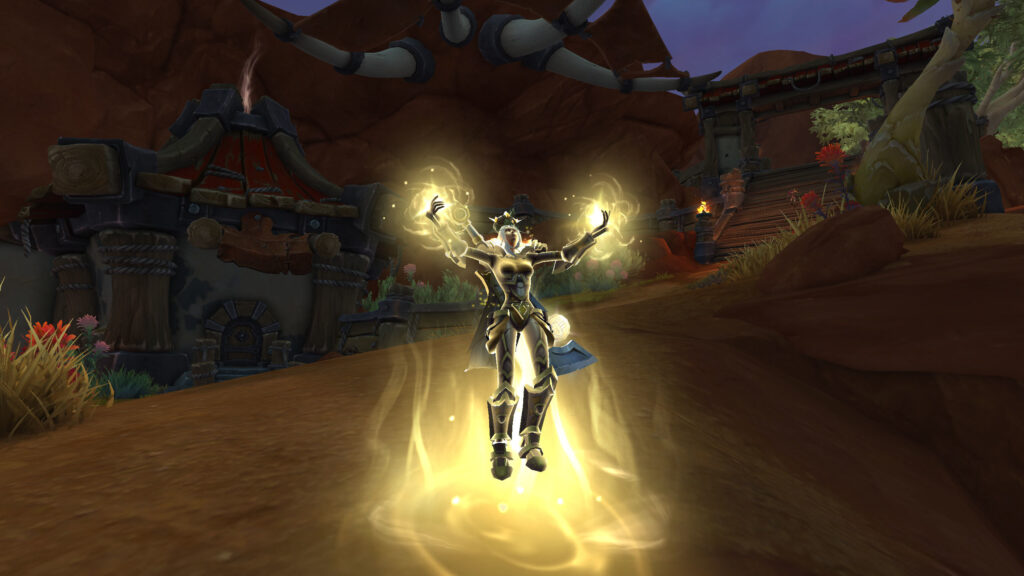
The future likely brings even more harmonic connections between visuals, sound, and pacing.
Conclusion
Spell rotations feel like music because Blizzard treats them like compositions—balancing tempo, flow, impact, and improvisation. When a rotation clicks, it creates emotional resonance and sensory satisfaction that goes far beyond effectiveness. These musical patterns keep players loyal to their classes, encourage mastery, and elevate the combat system from functional to artistic.
Rotational rhythm is one of WoW’s greatest strengths—and it continues to define the joy of perfect gameplay.
