
Mists of Pandaria was once viewed as a surprising turn in tone — a shift from global warfare to introspection, culture, and personal struggle. Years later, its themes feel more meaningful than ever. Beneath its tranquil landscapes and serene philosophies, the expansion carried sharp insights into anger, division, and the consequences of unchecked conflict. What once appeared lighthearted now resonates with emotional depth, reflecting modern anxieties and the enduring human desire for balance.
This article explores why Mists of Pandaria’s storytelling has become increasingly relevant, offering lessons that echo far beyond its original release.
The Timeless Message of Inner Conflict
At the heart of Mists of Pandaria lies the idea that external wars often mirror internal ones. The Sha — manifestations of fear, anger, doubt, and despair — reflected emotional battles familiar to every player. The expansion explored the destructive power of unresolved emotions, showing how internal turmoil can corrupt entire regions. Today, the message feels deeply relatable in a world where personal conflict often shapes collective experience.
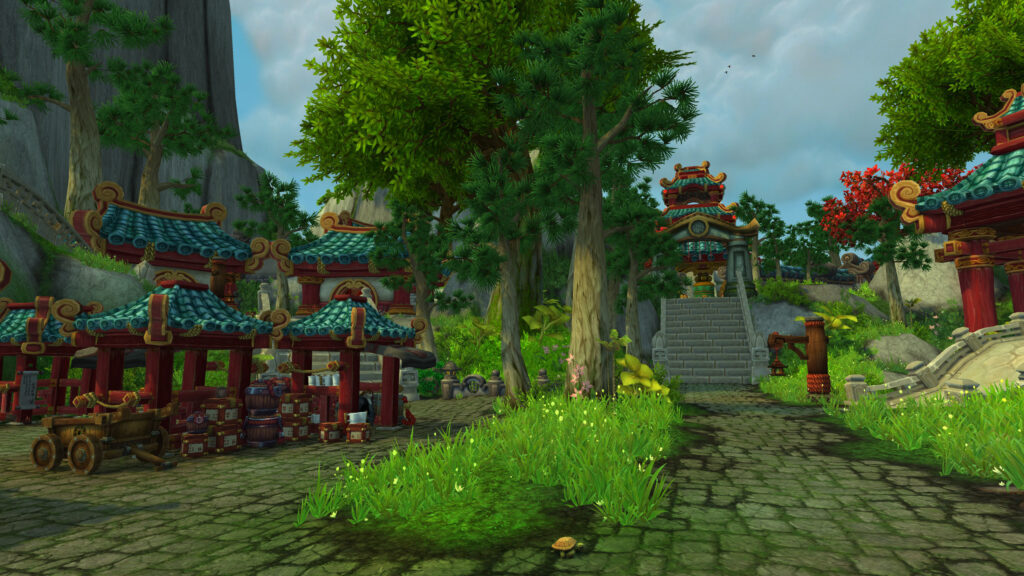
The journey across Pandaria wasn’t just physical — it was emotional.
A Meditation on Division and Consequence
The conflict between Horde and Alliance did not escalate through monsters or cosmic forces, but through pride, mistrust, and resentment. Pandaria became a mirror for how conflict spreads — not from villains alone, but from choices rooted in fear or vengeance. The expansion challenged players to consider the human cost of war, revealing that victory often leaves deeper wounds than defeat.
To highlight these themes, here is a brief breakdown of Mists of Pandaria’s core emotional conflicts:
- Fear shaping choices that harm others
- Anger fueling cycles of retaliation
- Pride overshadowing compassion and restraint
- Doubt weakening unity and trust
- Despair spreading through communities strained by conflict
The Cultural Depth of Pandaria’s Story
Pandaria’s storytelling embraced culture as narrative. From the values of the August Celestials to the traditions of the Pandaren, the expansion grounded its themes in everyday life. It explored patience, humility, generosity, and persistence — virtues not tied to power but to personal growth. These lessons feel more relevant today because they reflect universal struggles in a rapidly changing world.
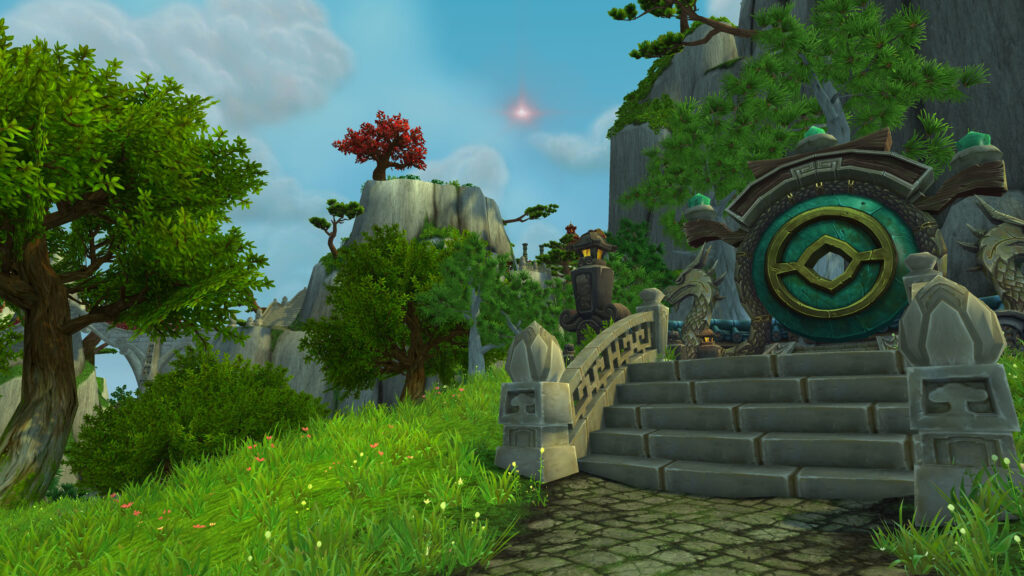
The expansion’s power lies not in its battles but in its wisdom.
Villains Who Represent Internal Failure
Garrosh Hellscream’s rise was not a story of corruption by an outside force, but a cautionary tale of ego, anger, and unchecked ambition. His downfall stemmed from human flaws amplified by power — an arc that resonates in modern storytelling. Garrosh’s actions served as a reminder that the most dangerous enemies are often the ones created from within.
Mists of Pandaria’s villains felt personal, not distant.
Why Its Themes Resonated Long After Its Final Patch
Years later, players recognize that the expansion was far ahead of its time. Its themes addressed emotional health, cultural respect, and the consequences of letting fear shape policy and action. Rather than focusing on world-ending catastrophes, the expansion asked players to slow down, reflect, and understand themselves. These messages feel relevant in today’s world, where emotional resilience and empathy matter more than ever.
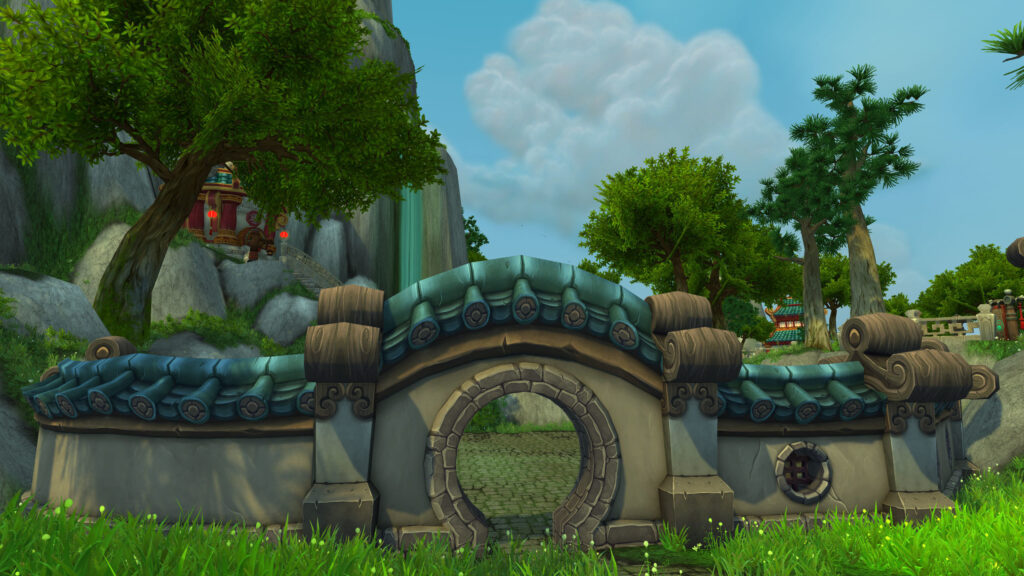
Mists of Pandaria endures because it speaks to the heart, not just the sword.
Conclusion
Mists of Pandaria’s storytelling feels more relevant now because it explores universal truths through deeply personal themes.
It reminds players that the greatest victories come from confronting internal conflict, choosing compassion, and seeking balance in all things. In a time of uncertainty and division, the expansion’s messages carry renewed meaning — proof that even the calmest lands can hold the most powerful lessons.
